A Flavorful, Juicy Chicken Dish with a Bold Olive Oil Finish
This Garlic & Herb Roasted Chicken is

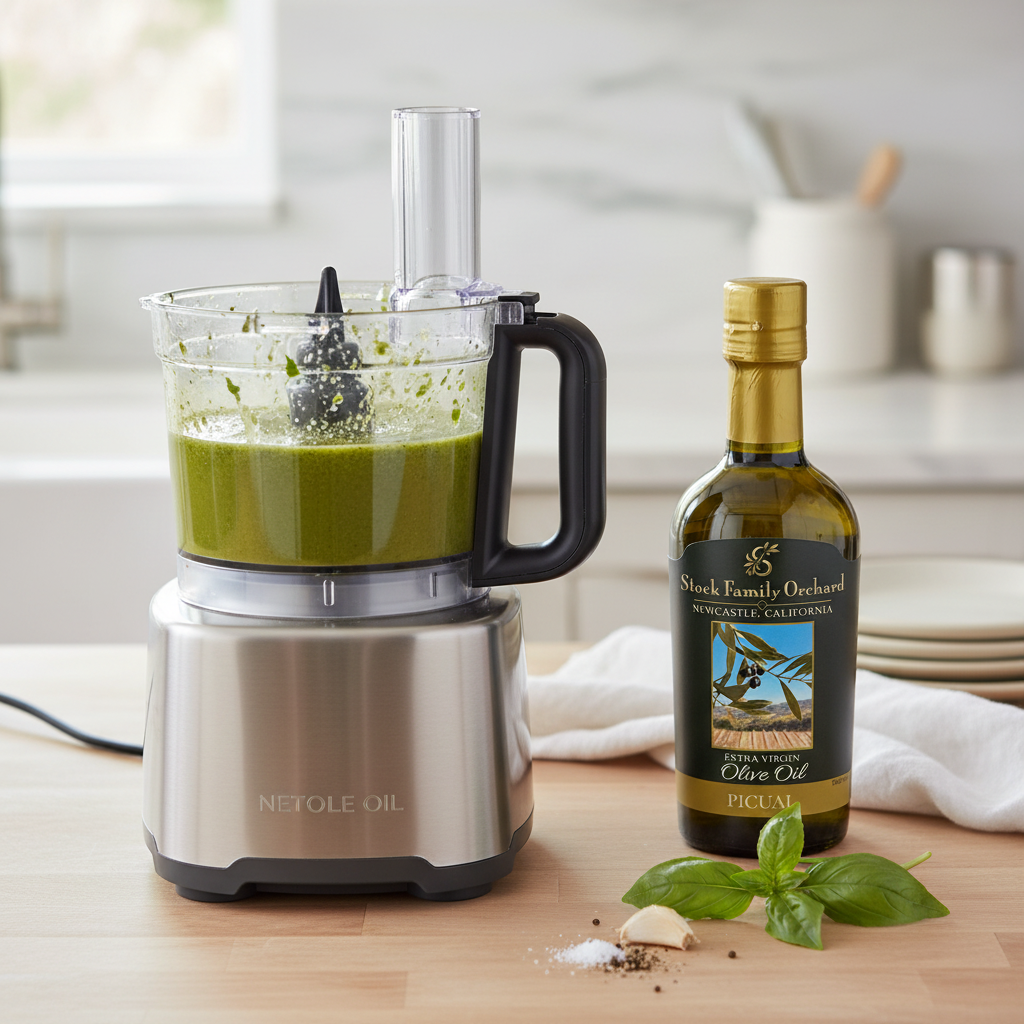
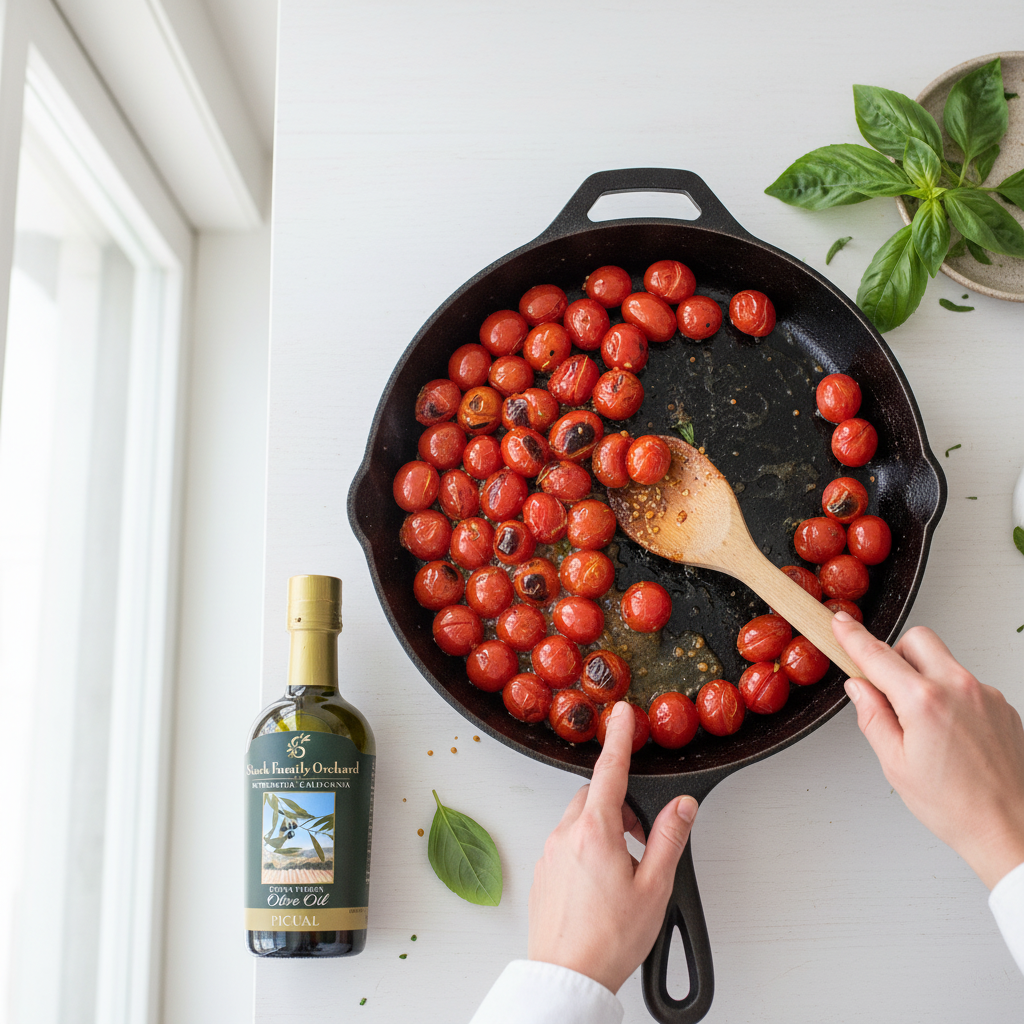
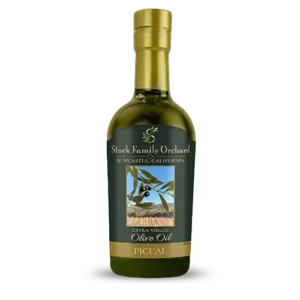
This Pan-Seared Halibut with Charred Cherry Tomatoes and Basil-Picual Vinaigrette features delicate halibut fillets perfectly seared to a golden crust, complemented by sweet, blistered cherry tomatoes. The dish is brought together by a vibrant vinaigrette, highlighting the robust, peppery finish of Stock Family Orchard’s Picual Olive oil, making for a truly memorable and healthy meal. This is one of many delicious recipes using Picual olive oil you can explore.
At Stock Family Orchard, we believe that exceptional ingredients are the foundation of extraordinary meals. Our Picual Olive oil is a testament to this philosophy, boasting a unique flavor profile that sets it apart. With its robust, fruity notes and a distinctive peppery finish, it’s not just an olive oil – it’s a culinary experience. For this recipe, the bold character of Picual beautifully complements the delicate sweetness of halibut and the bright, slightly acidic burst of charred cherry tomatoes. Its high polyphenol content and stability also make it perfect for both sautéing and drizzling, ensuring your dish is as healthy as it is delicious.
We often get asked about exciting recipes using Picual olive oil that truly let its character shine. This Pan-Seared Halibut dish is a prime example. The vinaigrette, made with our Picual, adds a vibrant, fresh dimension, elevating simple ingredients into something truly special. It’s a quick, healthy, and incredibly flavorful meal that brings the sun-drenched flavors of the Mediterranean right to your kitchen, perfect for a busy weeknight or a relaxed weekend dinner in 2026.
Servings: 2 · Prep: 15 minutes · Cook: 20 minutes · Total: 35 minutes
Difficulty: Medium · Cuisine: Mediterranean
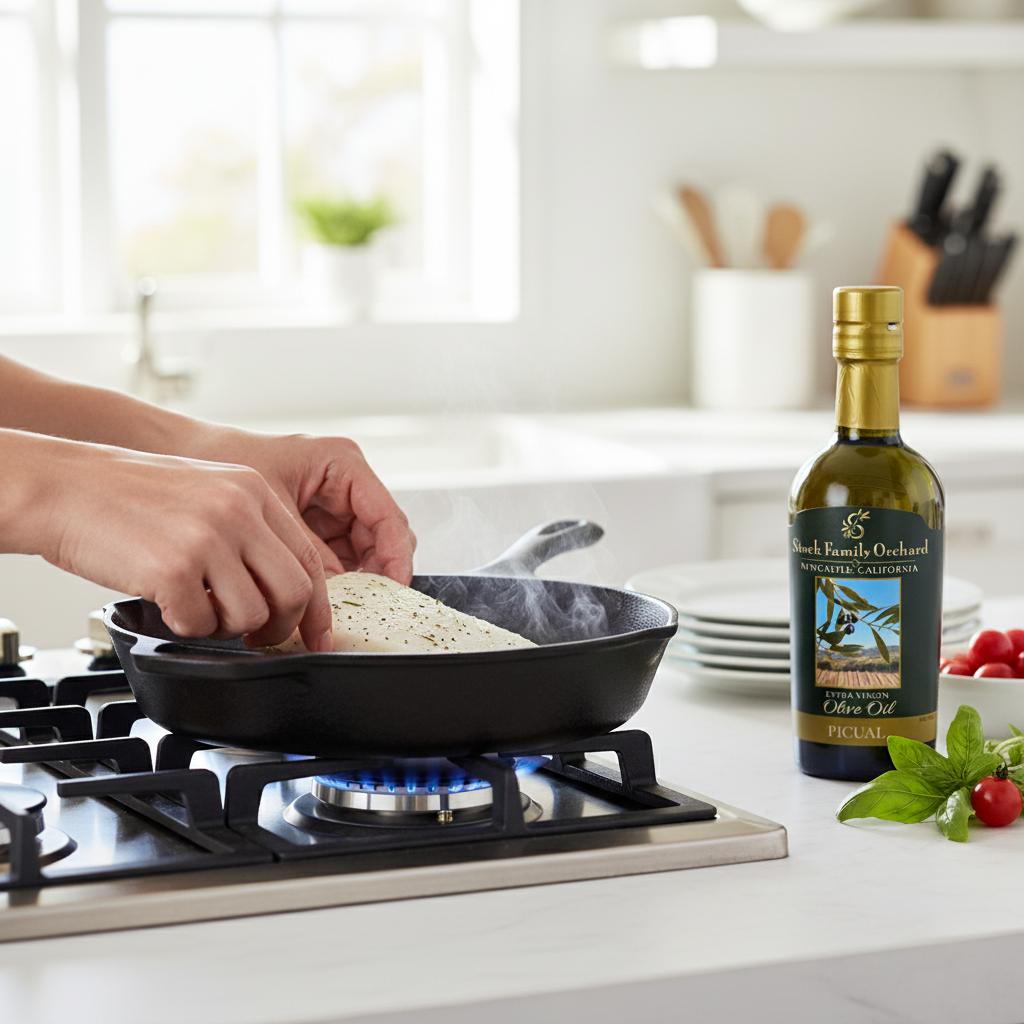
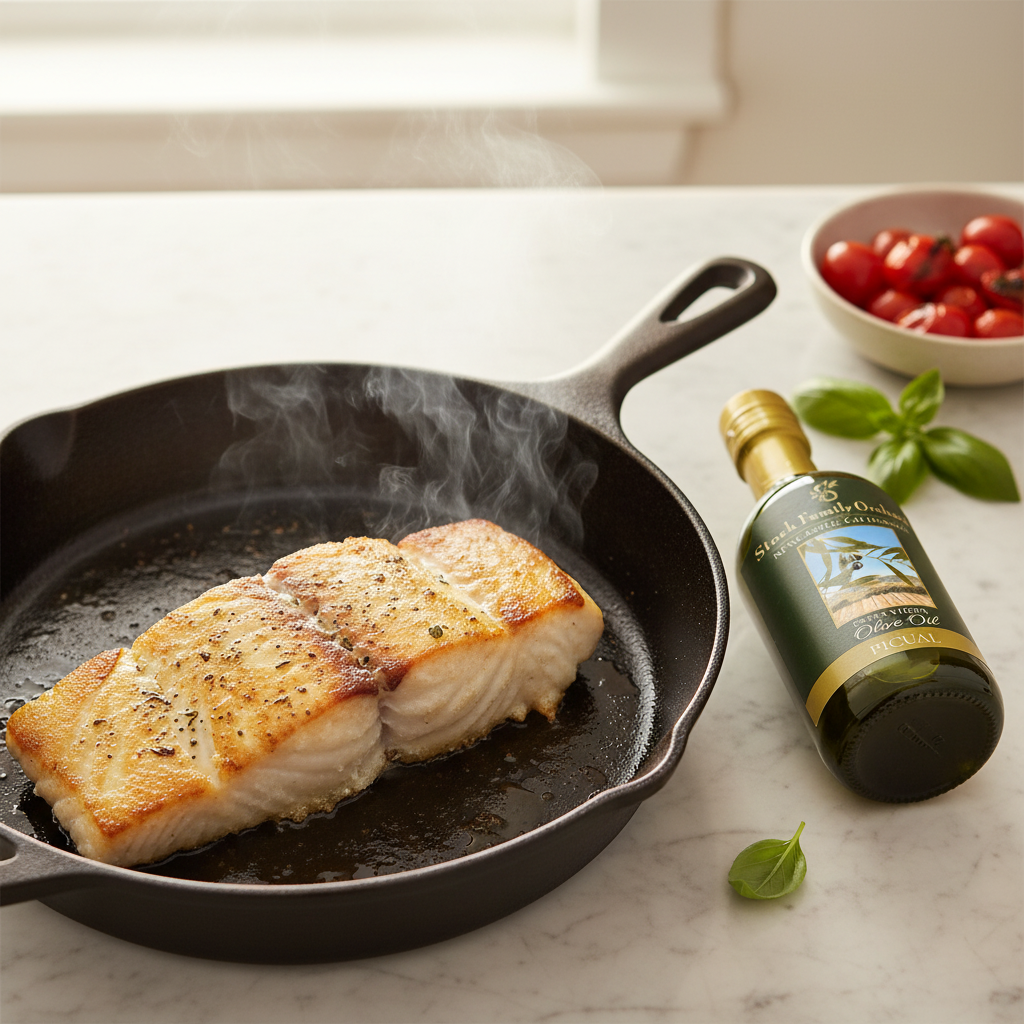
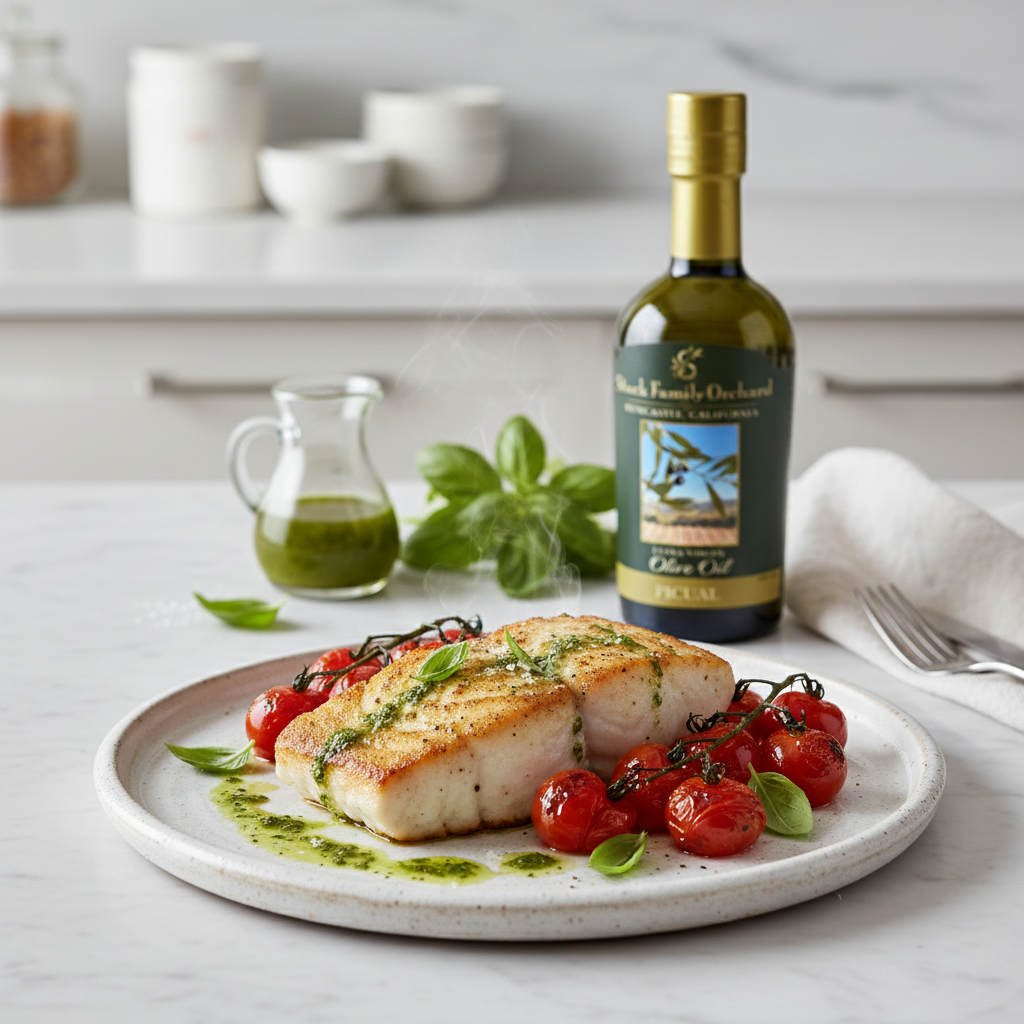
Store leftover halibut and tomatoes in an airtight container in the refrigerator for up to 2 days. Store vinaigrette separately in an airtight container for up to 3 days. Reheat gently to avoid overcooking the fish.
380 kcal · Protein: 38g · Carbohydrates: 12g · Fat: 20g · Fiber: 2g · Sodium: 350mg
Estimated values.
Picual olive oil pairs wonderfully with delicate, flaky white fish like halibut, cod, and snapper, as its robust and peppery notes provide a beautiful contrast. It also complements fattier fish like salmon, where its intensity can stand up to richer flavors. For more fish cooking tips, the National Institutes of Health offers a guide on healthy seafood preparation, available at https://www.ncbi.nlm.nih.gov/pmc/articles/PMC6470393/.
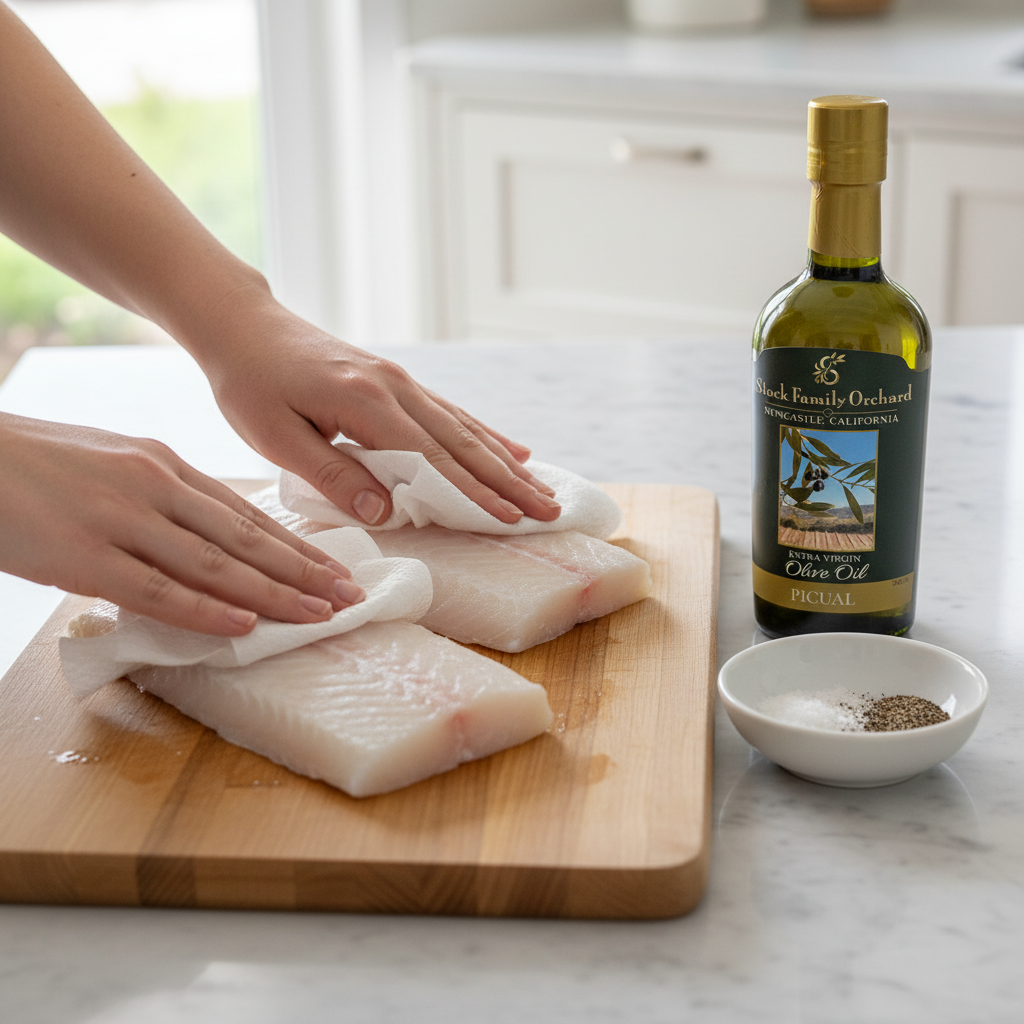
The key to preventing fish from sticking is to ensure your pan is properly preheated and you use enough oil. Heat your pan over medium-high heat until the oil shimmers before adding the fish. Patting the fish dry also helps. For more detailed instructions on searing, culinary resources like The Kitchn often provide excellent advice, for example, on their guide to searing fish at https://www.thekitchn.com/how-to-sear-fish-232650.
Absolutely! This recipe is adaptable. Asparagus, zucchini ribbons, bell peppers, or even small broccoli florets would be delicious substitutes. Simply adjust cooking times based on the vegetable’s density and aim for a slight char and tenderness. The Mediterranean diet, rich in diverse vegetables, is known for its flexibility in using seasonal produce, as highlighted by sources like the Mayo Clinic at https://www.mayoclinic.org/healthy-lifestyle/nutrition-and-healthy-eating/in-depth/mediterranean-diet/art-20047801.
To preserve the vibrant flavor and beneficial properties of Picual olive oil, store it in a cool, dark place away from direct light and heat. An opaque bottle is ideal, and it should be consumed within 12-18 months of harvest for optimal freshness. Learn more about proper olive oil storage from resources like the California Olive Oil Council.
Yes, Picual olive oil has a high smoke point, typically around 400-410°F (204-210°C), making it suitable for moderate-to-high heat cooking like pan-searing and sautéing. Its stability and robust flavor also make it excellent for finishing dishes. For more details on the properties of Picual and other olive oils, explore our olive oils section, or read our story to understand our commitment to quality.
Quick Answer: For a Mediterranean-inspired dish, try Pan-Seared Halibut with Charred Cherry Tomatoes and Basil-Picual Vinaigrette. This recipe from Stock Family Orchard highlights the robust, fruity, and peppery notes of their premium Picual Olive oil, pairing it beautifully with delicate fish and sweet, charred vegetables for a quick and healthy meal. This is one of many excellent recipes using Picual olive oil to enjoy.
We hope this recipe inspires you to create something delicious with our exceptional Picual Olive oil. Happy cooking!

This Garlic & Herb Roasted Chicken is
A Light & Flavorful Pasta Dish Perfect

A Golden, Crispy Focaccia Infused with Extra
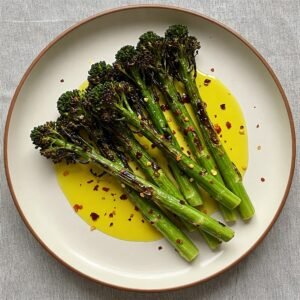
Make charred broccolini with garlic, chili flakes,


2 Responses